


Beyond the Hull: Why Your High-End Marine Electronics Need a "Roof" Too
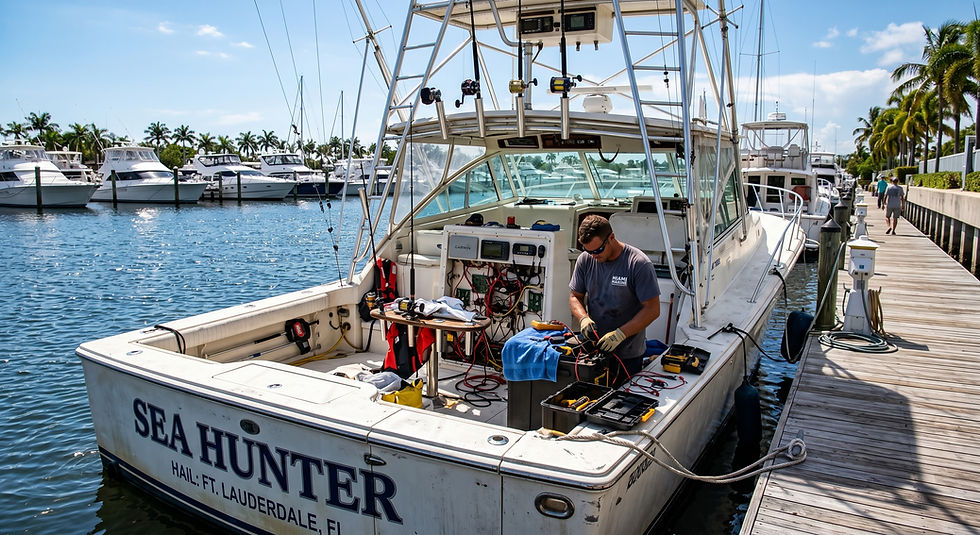
The sun is just beginning to crest over the horizon, casting a golden glow across the glassy surface of Lake Butler. Your boat is ready, the water is calm, and everything looks exactly how you expect it to. You turn the key, the engine hums to life, and you reach for your multifunction display to plot the day's course. Then, something feels off. The screen is not quite as crisp as it was last season, the audio cuts for a fraction of a second when you hit a wake, or the touchscreen controls don't respond with that same snappy precision you remember. It is easy to assume it is just standard wear and tear, a minor quirk of owning a boat in Florida. But over time, the reality becomes clear. The most sensitive and expensive parts of your vessel are taking the brunt of the exposure every single day. We tend to protect what we can see from damage, but overlook what is constantly being affected in plain sight.
The Quiet Threat to Your Helm
Modern marine electronics are massive heat generators. The helm is where exposure quietly does its work.
Heat That Lingers Longer Than You Think
In Orlando, the heat does not just go away when the sun goes down. Even when your boat is docked and the engines are cold, the helm sits in direct exposure for hours on end. When trapped under a traditional tight fitting tarp-cover or left open to the midday sun, surfaces heat up, and internal components follow. This daily cycle of extreme heating and cooling creates a sauna effect for your GPS and audio systems. Electronics undergo a slow degradation. Performance drops subtly until they do not perform at all. Excessive heat is one of the primary killers of battery life and sensitive circuitry in the Florida climate.
Moisture That Builds Without Notice
Florida humidity is a constant companion, but it is the moisture you cannot see that does the most damage. Temperature shifts between a blistering afternoons and a humid nights create condensation inside even supposedly sealed components. This moisture manifests as microscopic fogging or corrosion on delicate internal connections. You might start noticing small inconsistencies like a flickering screen or a sensor that loses its signal. High humidity weakens adhesion in electronic packaging, and can lead to delamination and hardware failure.
Sun Exposure Changing Function Not Just Appearance
We often talk about UV damage in terms of fading seats or chalky gelcoat, but the sun impact on electronics is functional, not just cosmetic. Intense UV exposure degrades the adhesives and protective coatings that hold your touchscreens together. The results are familiar to long time Florida boaters. Screens lose their vibrant color and become difficult to read in direct light. Delamination of the screen layers can cause erratic behavior or a total loss of responsiveness. Bezels and buttons become brittle, eventually cracking under standard use. What used to be an easy to operate system becomes something you have to work around.
Problems That Show Up at the Wrong Time
Environmental degradation is frustrating because everything seems perfectly fine until you actually need it. Issues with navigation, music, or basic engine controls tend to surface when you are already out on the water, far from the dock.
Where The Touchless Cover® Fits In
To truly preserve your electronics, you have to think beyond the hull. Providing your tech with a roof makes a measurable difference in its lifespan. It is about reducing daily exposure in a practical way, keeping your tech running smoothly for years


